Q: Are there negotiable parts of Catholicism? Do I have to agree with everything the church teaches to be Catholic?
Q: Are there negotiable parts of Catholicism? Do I have to agree with everything the church teaches to be Catholic?
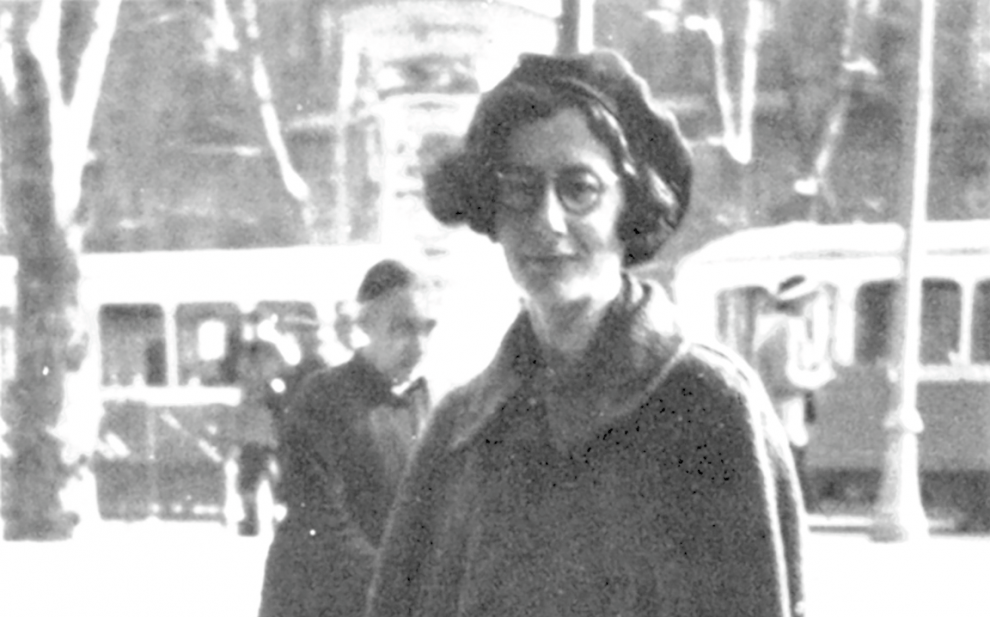
Public and private, privileged and poor, profound and practical, Weil defies expectation and compartmentalization. With utter frankness and humility, she positions herself between the inside and the outside. She surprises herself as much as she does us with her unfolding spirituality, her clarity regarding organized religion, and her union with God. At once lofty and down to earth, a (non-official) convert and critic, Weil is a kindred spirit to anyone who embraces the complexity of life on the periphery and receptiveness to the ever evolving mystery of faith.
Click here to read U.S. Catholic’s Advice Column questions and answers.
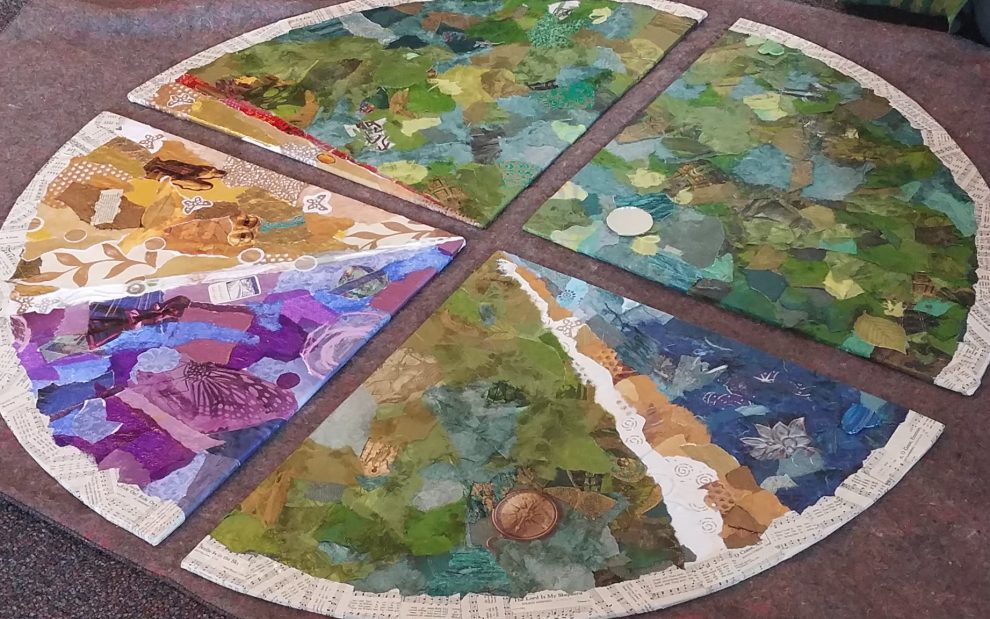
With a history that stretches across millennia, our faith is a repository of wisdom on what it means to live: To walk this Earth is to wait and prepare, to embrace humility, to welcome the stranger, to mess up and try again, to suffer, to speak our truth, to sorrow, and to be in community. As the liturgical year systematically invites us to reflect on how we are doing as humans—Are we practicing courage? Living with openness to the spirit? Extending mercy and forgiveness?—it ensures that we aren’t just stumbling from one phase of human development to the next. The liturgical year, if embraced as a life curriculum, helps us to actually develop, living not just any life but a good life.
Q: COVID wedding? My friend is getting married this season, and I’m nervous about attending due to COVID-19. I’m supposed to be a bridesmaid. The bride and groom have indicated that guests are welcome to take any precautions that they are comfortable with but that nothing will be enforced—which means some guests might not wear masks. I have an immunocompromised parent who I help care for, so I’m nervous about attending. But I’m also worried about hurting my friendship with the bride by not going. How should I handle this?
—Bridesmaid Blunders
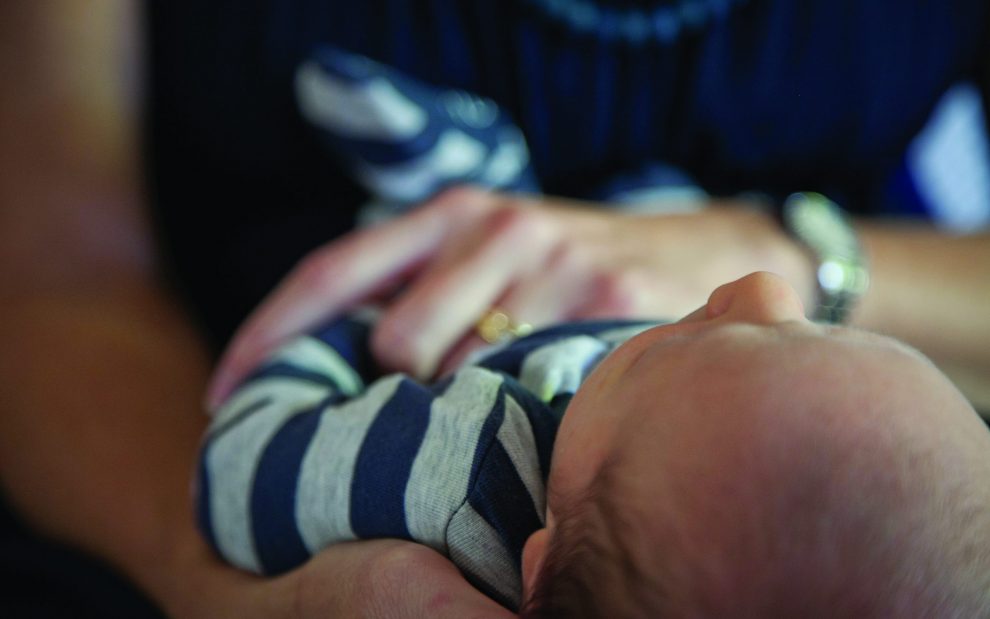
To remain open to the idea that our everyday experiences can be religious experiences is central to our identity as Catholics. It’s called sacramentality, and it rests on the message of the incarnation: God dwells among us and can be seen, touched, and heard in the context of human living. Every tangible element of creation, from the natural environment to human persons, provides an opportunity to encounter God’s presence. As the great Jesuit paleontologist Pierre Teilhard de Chardin wrote: “God is not remote from us. He is at the point of my pen, my pick, my paintbrush, my needle—and my heart and my thoughts.”

Creativity, communication, and authenticity are key to building relationships with Catholic youth.

Faith communities encourage friendships outside your age bubble.
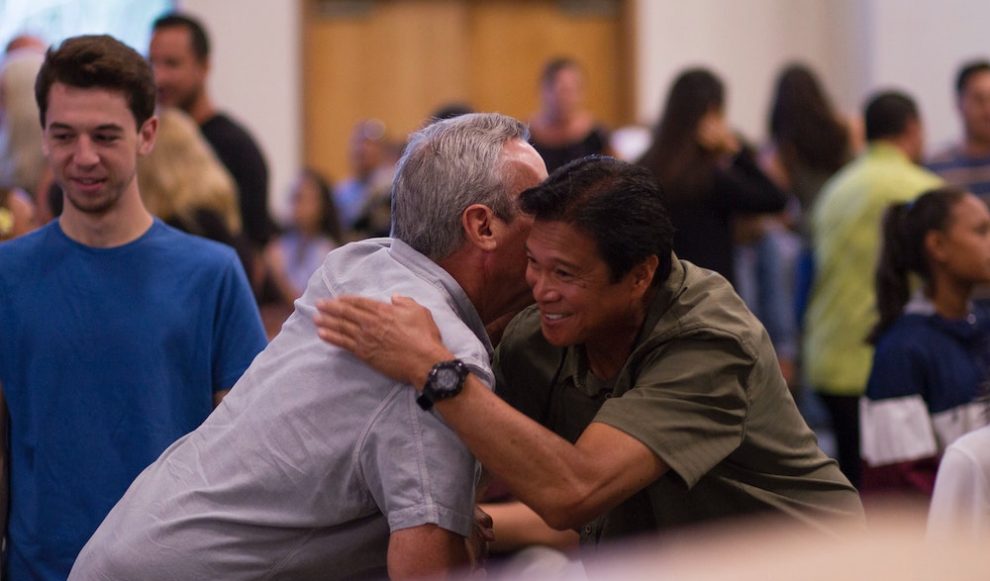
Be the host with the most and welcome newcomers to your parish with these tips.
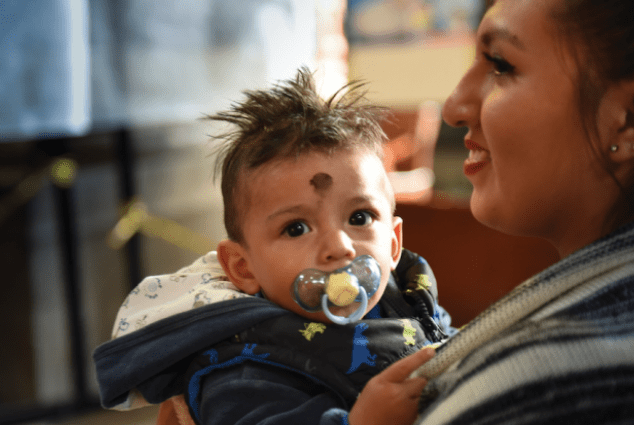
The only certainty in our lives—and the lives of our children—is that one day they will end.
 Teresa Coda